How Common Is Low Libido in Men?
Low libido — a persistent reduction in sexual desire or interest in sex — is far more prevalent than most men realise. Research suggests that up to 15–20% of men experience low sex drive at any given time, with rates increasing significantly after age 40. Yet despite its prevalence, it remains one of the most underreported and undertreated aspects of male health, partly due to the stigma around admitting diminished sexual desire.
Low libido is not simply a cosmetic issue. Sexual drive is closely linked to overall testosterone levels, hormonal health, cardiovascular fitness, and psychological wellbeing. A persistent decline in libido is often the first visible symptom of an underlying imbalance that, if left unaddressed, can affect energy levels, motivation, and quality of life more broadly.
Primary Causes of Low Libido in Men
Understanding the root cause of your low libido is the first step to addressing it effectively. The most common causes include:
Low testosterone: Testosterone is the primary driver of male sexual desire. Levels peak in the early twenties and decline gradually thereafter — typically at around 1–2% per year after age 30. Men with clinically low testosterone (hypogonadism) commonly report reduced libido as their first and most noticeable symptom.
Chronic stress: Cortisol — the primary stress hormone — directly suppresses testosterone production. Men under sustained psychological or occupational stress frequently experience significant drops in sexual drive as a consequence.
Poor sleep: Testosterone is primarily produced during deep sleep. Men who sleep fewer than 6 hours per night can see testosterone levels fall by 10–15% compared to those who sleep 7–9 hours.
Nutritional deficiencies: Deficiencies in zinc, magnesium, vitamin D, and selenium are all independently associated with reduced testosterone and libido.
Relationship dissatisfaction: Emotional and relational factors play an enormous role in male libido. Unresolved conflict, poor communication, or simply diminished emotional intimacy can suppress sexual desire significantly.
Signs Your Libido May Be Below Where It Should Be
Men often normalise gradual declines in libido because the change happens slowly over months or years. Signs that your sex drive may be lower than optimal include:
- Infrequent or absent spontaneous sexual thoughts
- Little or no interest in initiating sex
- Reduced response to sexual stimuli that previously excited you
- Morning erections becoming less frequent or absent
- Feeling indifferent rather than attracted to a partner you love
- General low energy, reduced motivation, and flat mood alongside reduced libido (suggesting hormonal involvement)
If several of these resonate, it is worth addressing the root causes rather than simply accepting a diminished sex drive as inevitable.
Natural Solutions for Boosting Libido
For most men, low libido can be meaningfully improved through targeted lifestyle and nutritional interventions:
Optimise sleep: Prioritising 7–9 hours of quality sleep is one of the fastest ways to restore testosterone levels and improve sex drive. A study from the University of Chicago found that just one week of restricted sleep (5 hours per night) reduced testosterone levels by 10–15% in young healthy men.
Reduce chronic stress: Regular exercise (particularly resistance training), mindfulness practice, and addressing the sources of chronic stress can significantly lower cortisol and allow testosterone to recover.
Address nutritional gaps: Zinc and selenium are both directly involved in testosterone synthesis and are commonly deficient. Ensuring adequate intake through diet or supplementation can make a meaningful difference.
Use adaptogenic botanicals: Korean Ginseng has demonstrated the ability to lower cortisol, support testosterone levels, and improve libido and sexual function in clinical trials. Catuaba Bark works via a different pathway — enhancing dopaminergic and adrenergic signalling to increase sexual arousal and desire.
Catuaba Bark and Dopamine
The connection between dopamine and male sexual desire is well established. Dopamine is the primary neurotransmitter driving motivation, reward, and sexual arousal. Catuaba Bark's alkaloids act on dopamine receptors in the brain, producing a mild but reliable enhancement in sexual desire and arousal that users typically notice within 2–4 weeks of consistent use.
This distinguishes Catuaba from purely hormonal interventions. Even in men whose testosterone levels are within normal range, Catuaba can meaningfully improve libido by acting on the neural pathways of desire rather than solely on the hormonal axis.
Korean Ginseng and the Testosterone Pathway
While Catuaba works centrally on desire, Korean Ginseng works through the hypothalamic-pituitary-adrenal (HPA) axis. Its ginsenoside compounds reduce circulating cortisol levels, relieving the hormonal suppression that chronic stress places on testosterone production. With cortisol lowered, the testes can produce testosterone more effectively.
This upstream hormonal intervention means Korean Ginseng can help restore libido for men whose low sex drive is rooted in stress-driven testosterone suppression — a significant proportion of men over 30. Clinical studies have confirmed increased testosterone levels and improved libido scores in men supplementing with Korean Ginseng over 8 weeks.
When to Seek Medical Advice
Natural supplementation and lifestyle changes are effective for the majority of men experiencing mild to moderate libido decline. However, if low libido is severe, has onset rapidly, or is accompanied by symptoms such as erectile dysfunction, significant fatigue, breast tissue growth, or testicular changes, a visit to your GP or a specialist in male health is warranted.
Blood tests for total and free testosterone, LH, FSH, prolactin, and thyroid function can help identify whether there is an underlying medical cause requiring treatment beyond natural supplementation.
A Daily Formula for Libido Support
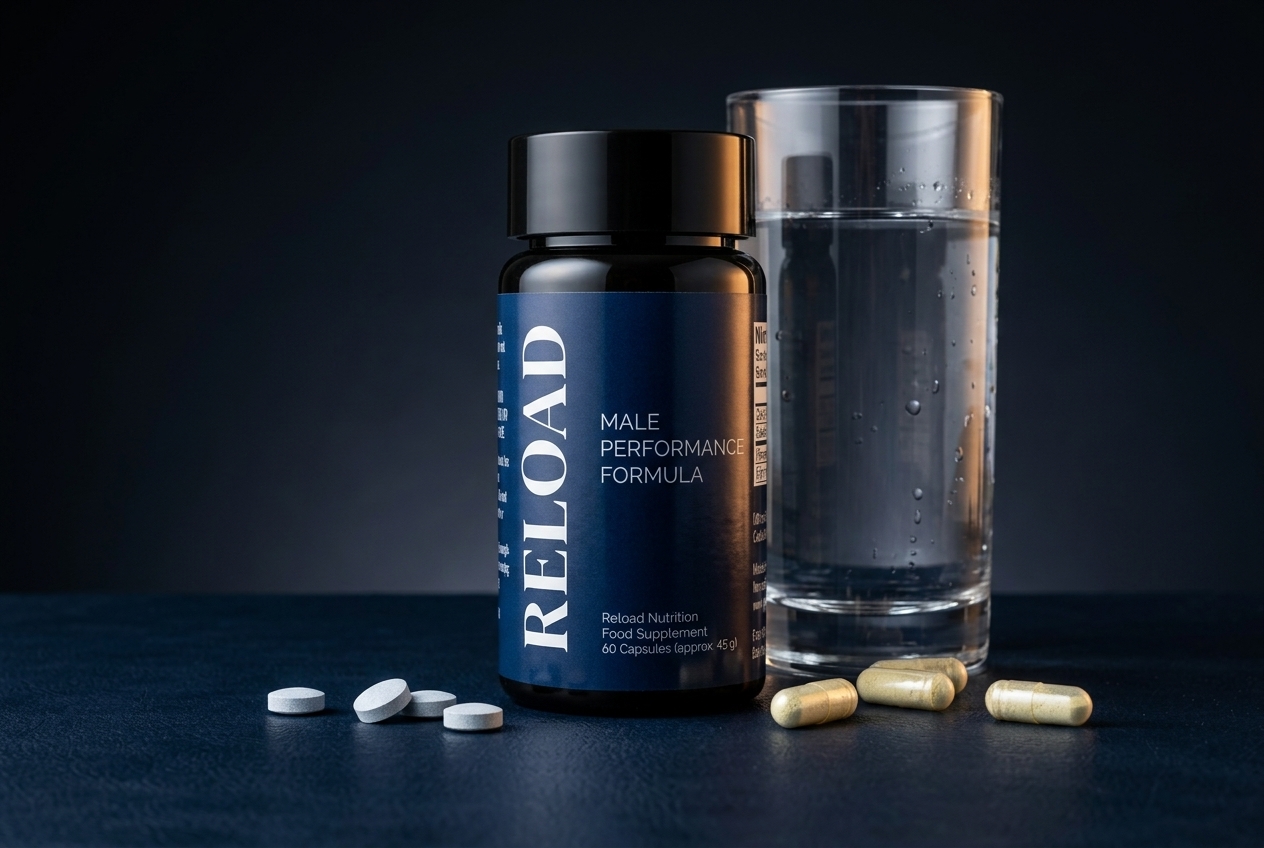
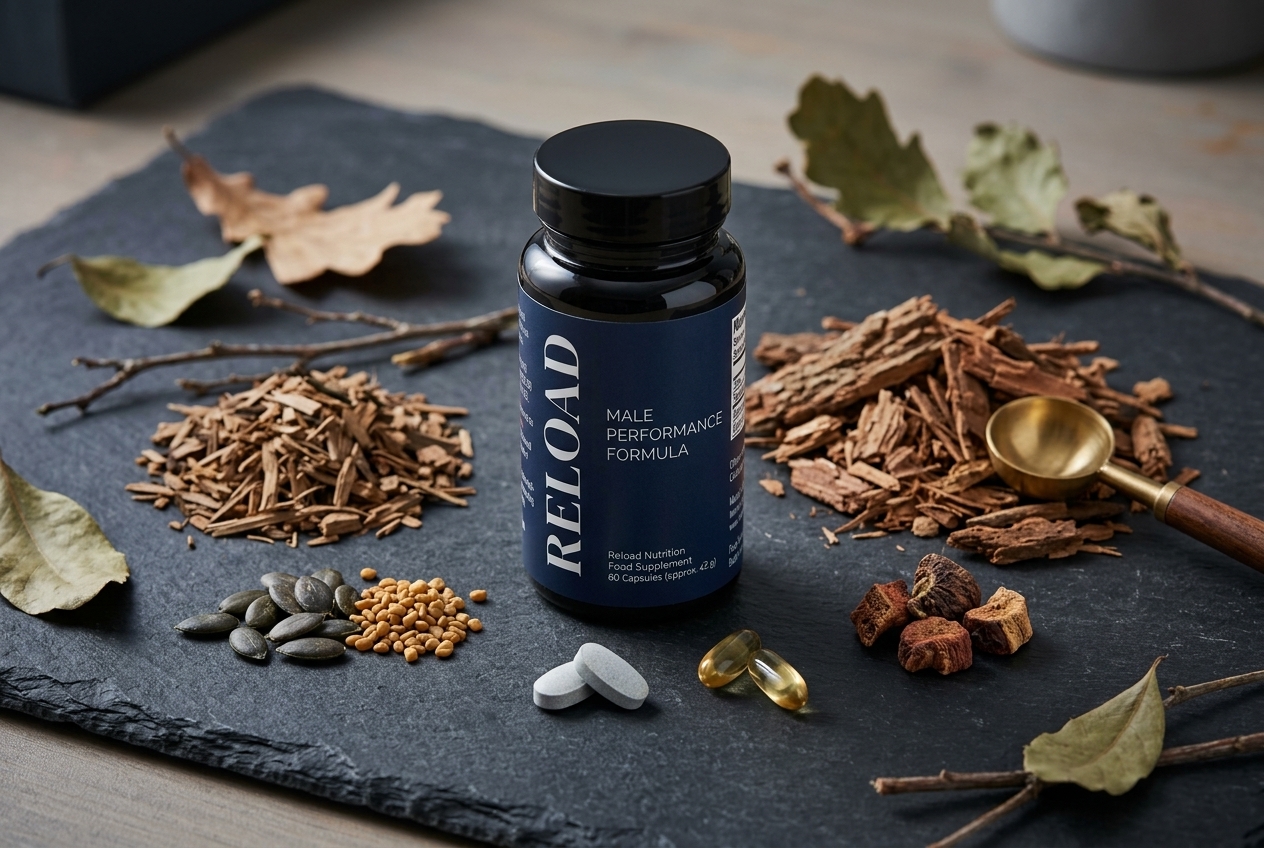
RELOAD was formulated specifically for men who want a natural, daily approach to maintaining and improving their sexual drive and reproductive vitality. Its combination of Catuaba Bark, Korean Ginseng, Pygeum Africanum, Zinc, and Selenium addresses both the hormonal and neurological dimensions of male libido — making it one of the most comprehensive natural solutions available for men looking to reignite their drive without pharmaceutical intervention.
RELOAD Nutrition
The all-in-one formula for semen volume, libido & male vitality
Pygeum Africanum, Catuaba Bark, Korean Ginseng, Zinc & Selenium — in one premium daily capsule.