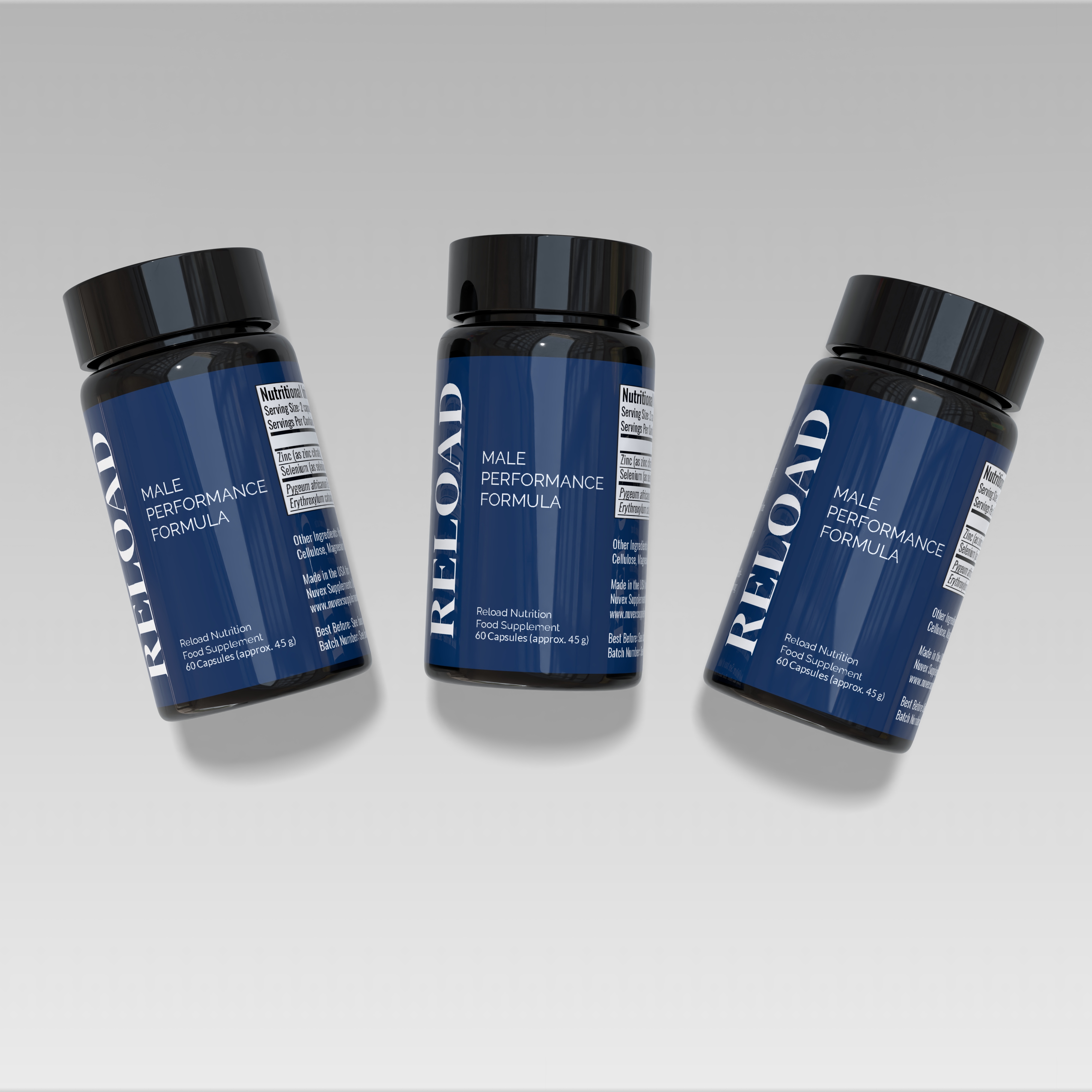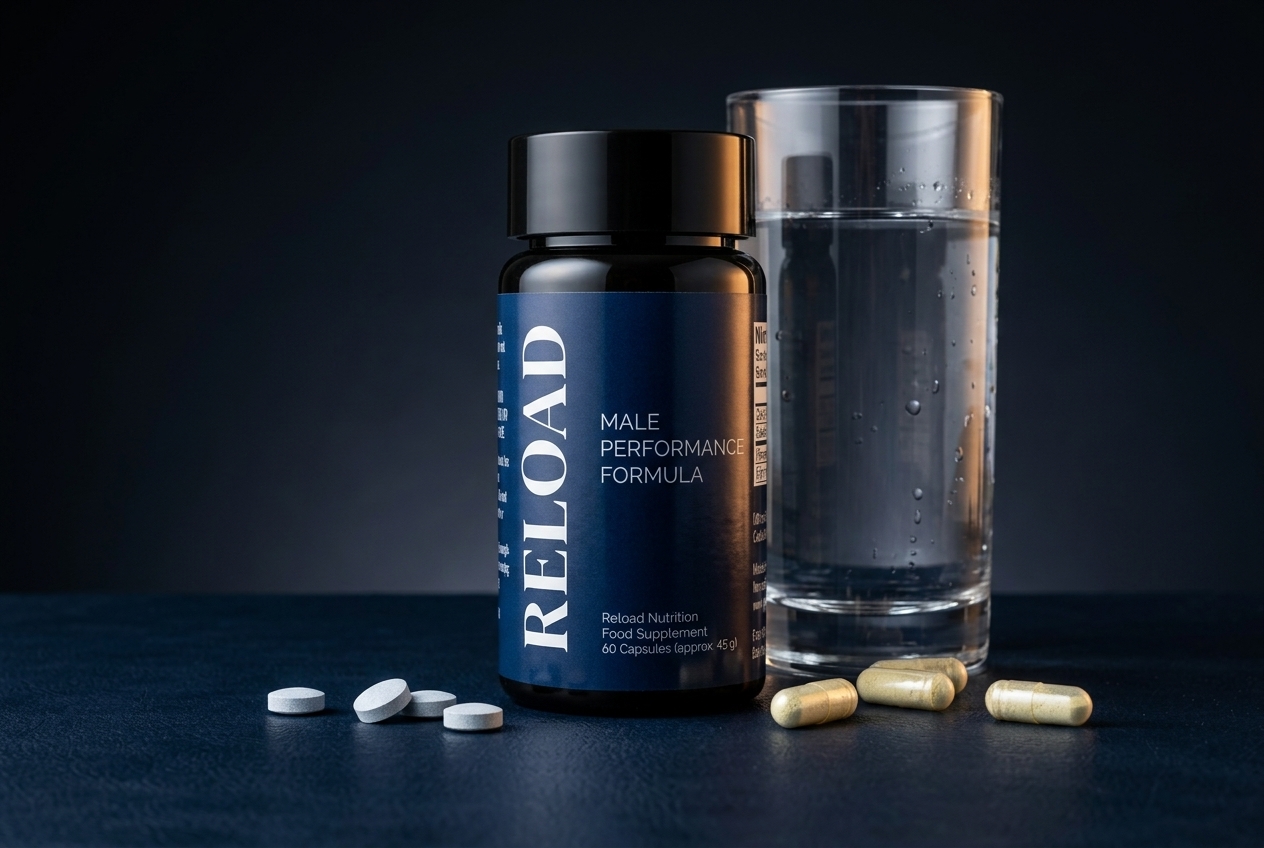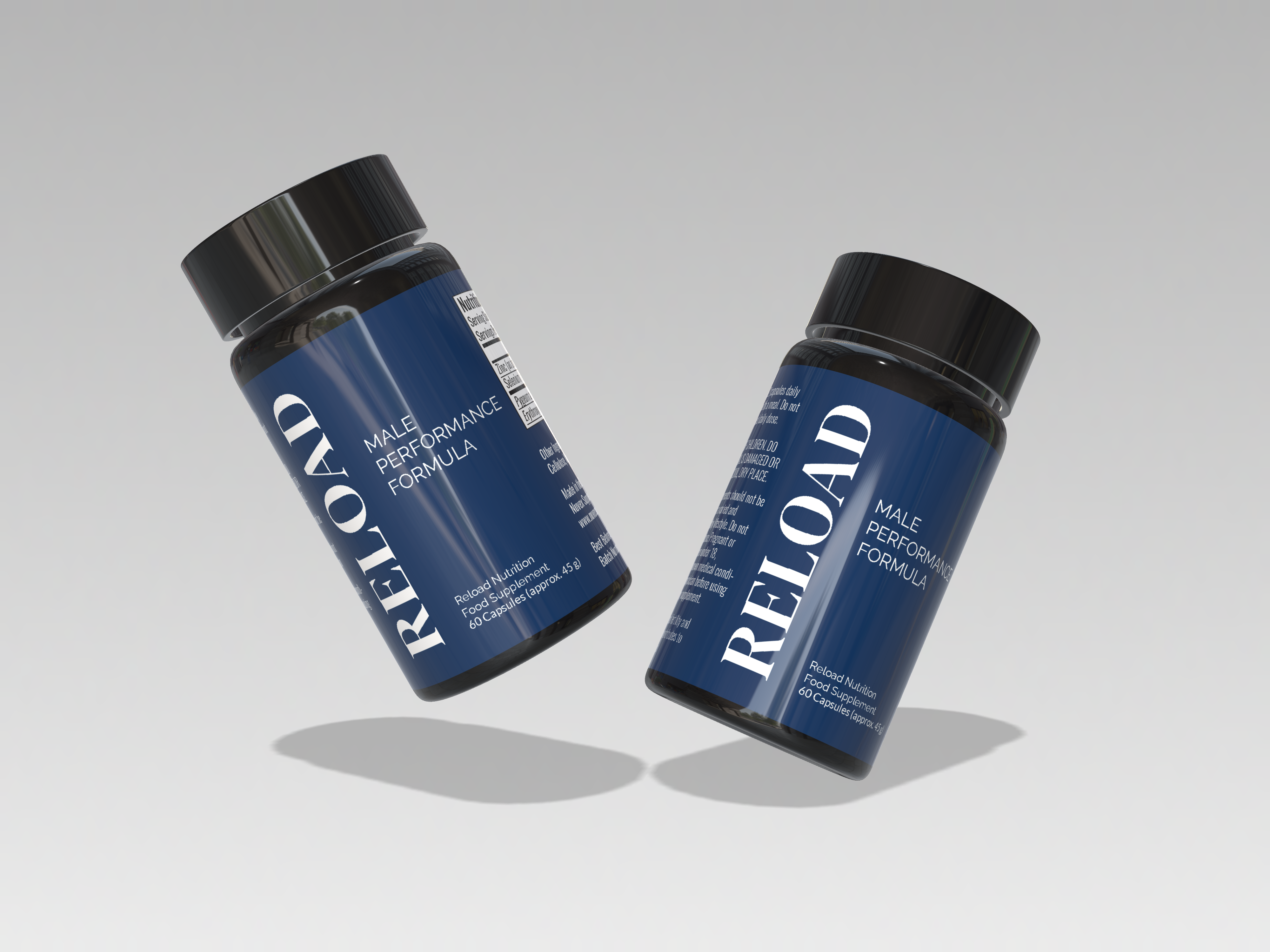
If you are searching for the best supplements for semen volume, the honest starting point is this: semen volume is influenced by many everyday factors — hydration, how often you ejaculate, your age, your overall nutrition and your general reproductive health — and no capsule overrides that bigger picture. This guide walks through the ingredients men most often research, what the evidence actually says, and where a supplement can genuinely play a supporting role.
It is also worth clearing up a common mix-up early: semen volume and sperm count are not the same thing. Semen volume is the amount of fluid you ejaculate; sperm count is the number of sperm cells within that fluid. A supplement that supports one does not automatically change the other.
Rather than chasing dramatic "before and after" promises, the most useful approach is steady, sensible nutrition alongside healthy lifestyle habits. With that framing in mind, here is what matters.
What affects semen volume?
Several ordinary, non-medical factors shape how much fluid you ejaculate:
- Hydration — seminal fluid is mostly water, so being well hydrated supports normal fluid volume.
- Ejaculation frequency — frequent ejaculation leaves less time for fluid to replenish between sessions.
- Age — reproductive output can gradually change over the years.
- Nutrition — several vitamins and minerals are involved in normal reproductive function.
- Prostate and seminal-vesicle function — these accessory glands produce most of the fluid in semen.
- General reproductive health — sleep, stress and overall wellbeing all play a part.
These are general influences rather than a diagnostic checklist. If you have specific concerns about fertility or reproductive health, speak to a qualified healthcare professional.
What are the best supplements for semen volume?
When people research the best supplements for semen volume, the same handful of ingredients appear again and again. The table below compares them at a glance — why men take them, what the current evidence suggests, and which are found in RELOAD. Evidence quality varies considerably between these ingredients, so they should not be treated as equal.
| Ingredient | Why men take it | What the evidence suggests | In RELOAD |
|---|---|---|---|
| Zinc | Supports normal fertility and reproduction | Well-established nutrient role; authorised EU/UK health claim | |
| Selenium | Supports normal sperm production | Well-established nutrient role; authorised EU/UK health claim | |
| Mucuna Pruriens | Traditional use in male reproductive health; source of L-DOPA | Early-stage research; more human studies needed | |
| Pygeum | Traditionally used for prostate and reproductive wellness | Mostly prostate/urinary research; volume evidence limited | |
| Catuaba | Traditional Brazilian botanical linked to vitality | Limited clinical evidence | |
| Lecithin | Popularly claimed online to increase ejaculate | Largely anecdotal; strong clinical evidence lacking | — |
| L-Arginine | Amino acid involved in blood-flow pathways | Studied elsewhere; little direct volume evidence | — |
In RELOAD = present in the current RELOAD formula. A tick indicates inclusion, not a proven effect on semen volume.
Zinc and male reproductive health
Zinc is an essential mineral, meaning your body cannot make it and must obtain it from food or supplementation. It is involved in many aspects of male reproductive biology, which is why it appears in almost every men’s reproductive supplement.
Under EU and UK nutrition rules, an authorised health claim states that zinc contributes to normal fertility and reproduction, and to the maintenance of normal testosterone levels in the blood. That describes normal physiological function — it is not a claim that zinc has been proven to increase semen volume, and we will not suggest otherwise.
Zinc deficiency can negatively affect reproductive health, so correcting a genuine shortfall matters. Taking more zinc than you need, however, does not produce greater sexual effects, and high intakes can cause side effects. More is not better.
Selenium and sperm production
Selenium is a trace mineral that supports several antioxidant and reproductive processes. The authorised EU and UK health claim is that selenium contributes to normal spermatogenesis.
In plain language, spermatogenesis simply means the body’s process of producing sperm. So selenium plays a role in normal sperm production — but that is not the same as directly increasing the volume of fluid you ejaculate, and the evidence does not support that specific claim.
UK soils are relatively low in selenium, so dietary intake varies between individuals. A modest daily amount helps maintain normal levels.
Mucuna Pruriens
Mucuna Pruriens is a tropical legume with a long history of traditional use, often in the context of male reproductive health. It naturally contains L-DOPA, a compound the body uses as a precursor to dopamine.
Early research has investigated Mucuna Pruriens in relation to male reproductive parameters, but more high-quality human research is needed before firm conclusions can be drawn. It is best understood as a traditional botanical with developing evidence — not a proven way to increase semen volume, testosterone or fertility.
Pygeum
Pygeum africanum is an extract from the bark of the African cherry tree. It has traditionally been used in men’s health products, particularly those aimed at prostate and urinary comfort.
Most of the research around Pygeum relates to prostate and urinary health rather than ejaculate volume, and it should not be presented as a proven treatment. Because a significant portion of seminal fluid originates in the prostate and other male accessory glands, Pygeum is frequently included in supplements marketed towards male reproductive wellness. The evidence specifically demonstrating increased semen volume, however, is limited.
Catuaba
Catuaba refers to the bark of several Brazilian trees and has traditionally been used in South America as a botanical associated with vitality and libido.
Its inclusion in men’s formulas is rooted in this traditional use rather than strong clinical proof. There is no good evidence that Catuaba increases semen volume, and clinical research overall remains limited.
What about lecithin and L-arginine?
You will almost certainly come across lecithin and L-arginine when searching online for ejaculate-volume supplements, so they are worth addressing directly.
Lecithin is a fatty substance found in foods such as eggs and soy. Online claims often suggest it increases ejaculate volume, but these claims are largely anecdotal and are not backed by strong clinical evidence.
L-arginine is an amino acid involved in the body’s nitric-oxide and blood-flow pathways. It has been studied in various contexts, but there is little direct, high-quality evidence that it increases semen volume specifically.
We include them here so this guide answers your full question — not only the ingredients RELOAD happens to use. Being able to tell widespread marketing claims apart from solid evidence is part of making an informed choice.
Semen volume vs sperm count
This distinction is important enough to state clearly:
- Semen volume = the amount of fluid you ejaculate.
- Sperm count = the number of sperm cells contained within that fluid.
The two do not always move together. A man can have a relatively high semen volume but a low sperm concentration, or a smaller volume with a high concentration. Because of this, fertility should never be assessed on semen volume alone — a proper semen analysis looks at volume, count, motility and more. If fertility is your concern, a qualified healthcare professional can arrange appropriate testing.
Can lifestyle affect semen volume?
Day-to-day habits form the foundation that any supplement sits on top of. Sensible, sustainable choices include:
- Adequate hydration — since seminal fluid is mostly water.
- Reasonable ejaculation frequency — allowing normal time for fluid to replenish between sessions.
- Balanced nutrition — providing the vitamins and minerals involved in normal reproductive function.
- Good sleep — which supports healthy hormonal balance.
- Moderating alcohol — heavy drinking can work against reproductive health.
- General health — managing stress and staying active.
A note of caution: drinking extreme amounts of water, or abstaining from ejaculation for unusually long periods, is not a sensible "hack" and is not something we would recommend. Balance beats extremes. For more everyday strategies, see our guide on how to increase semen volume naturally.
How long do supplements take to work?
It is worth setting honest expectations. Nutritional supplements are not instant sexual-performance products, and they do not work like a one-off stimulant.
Nutrients such as zinc and selenium support normal reproductive function when taken consistently as part of a balanced diet — the value comes from maintaining healthy levels over time, not from a single dose. Rather than looking for an overnight change, think in terms of consistent daily nutrition alongside the lifestyle basics above.
Be wary of any product promising results within a few days, "guaranteed larger loads", or that it will double your semen volume. Those are marketing claims, not evidence, and we will not make them.
The RELOAD approach
A multi-ingredient approach to men’s reproductive nutrition
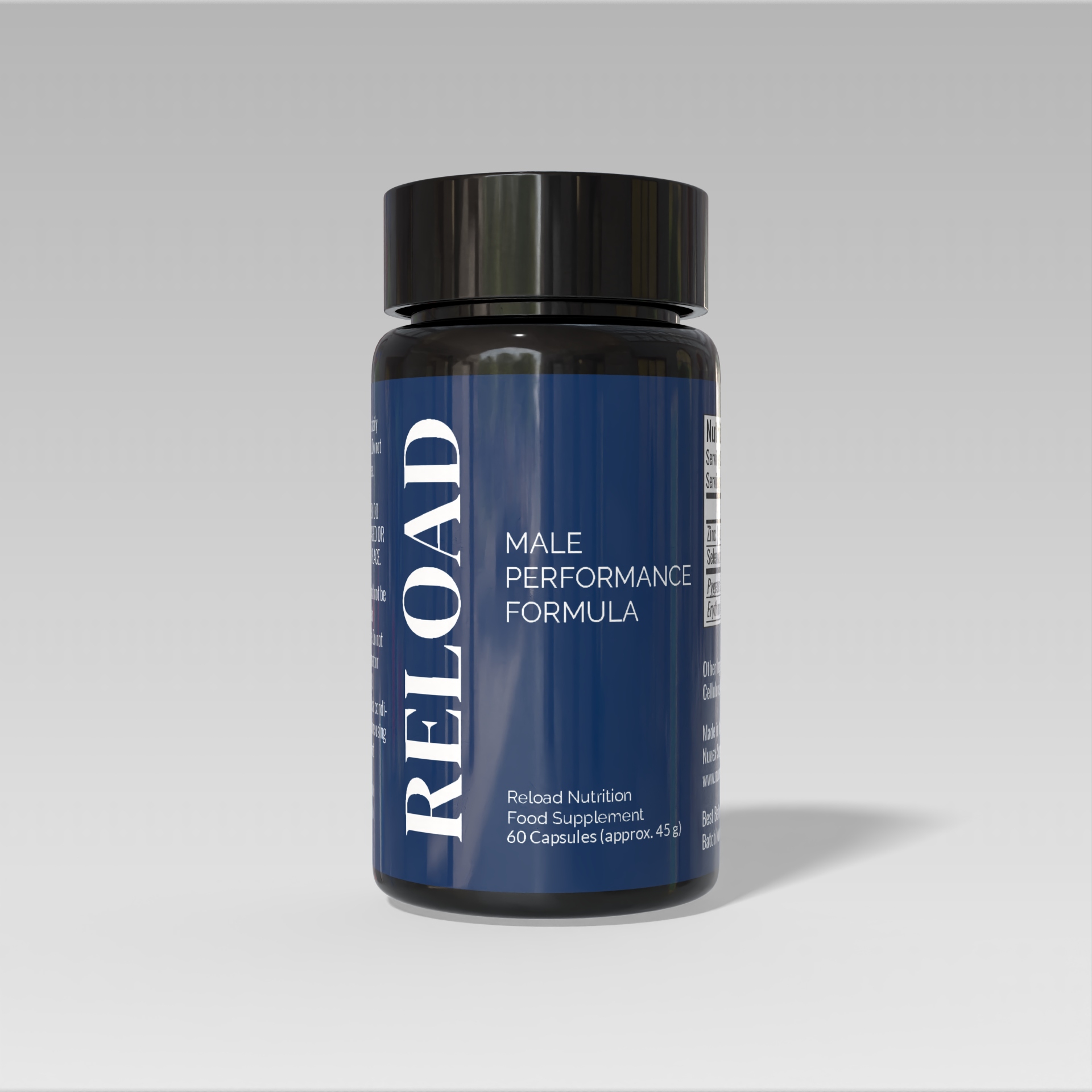
RELOAD takes a combination approach rather than relying on any single ingredient, pairing two nutrients that carry authorised reproductive-health claims with three traditional botanicals. Each daily serving (2 capsules) provides:
- Pygeum 500 mg
- Catuaba 465 mg
- Mucuna Pruriens 400 mg
- Zinc 10 mg
- Selenium 55 µg
RELOAD is designed as a daily men’s nutritional supplement to support reproductive wellness as part of a balanced diet — not as a pharmaceutical treatment, and not as a promise of dramatic results. You can explore the full formula and label below.
Frequently Asked Questions
What are the best supplements for semen volume?
The ingredients most commonly researched include zinc, selenium, Mucuna Pruriens, Pygeum and Catuaba, alongside popular online picks like lecithin and L-arginine. Zinc and selenium have the strongest standing because they carry authorised claims for normal fertility, reproduction and sperm production. No supplement should be expected to dramatically increase ejaculate volume on its own.
Can supplements actually increase semen volume?
Evidence that any single supplement directly increases ejaculate volume is limited. Nutrients like zinc and selenium support normal reproductive function, while hydration and ejaculation frequency strongly influence volume. A sensible supplement can play a supporting role, but lifestyle factors matter at least as much.
Is semen volume the same as sperm count?
No. Semen volume is the amount of fluid ejaculated, while sperm count is the number of sperm cells within it. They can vary independently, and fertility should never be judged on volume alone.
How much zinc should men take for reproductive health?
Zinc contributes to normal fertility and reproduction. Many men’s formulas provide around 10–15 mg of elemental zinc daily; RELOAD provides 10 mg per serving. Taking far more than you need offers no extra benefit and can cause side effects.
How long before I notice a difference?
Supplements are not instant products. Nutrients support normal function when taken consistently over time, so think in terms of weeks of steady daily use alongside good hydration, sleep and nutrition — not days. Be sceptical of products promising overnight results.
What is in RELOAD?
Each 2-capsule daily serving contains Pygeum 500 mg, Catuaba 465 mg, Mucuna Pruriens 400 mg, Zinc 10 mg and Selenium 55 µg. It is a daily men’s nutritional supplement, with 60 capsules per bottle (a 30-day supply).
References
- EU Register of nutrition and health claims — authorised claims for zinc (normal fertility and reproduction) and selenium (normal spermatogenesis).
- NHS — Vitamins and minerals: Others (including zinc and selenium intake and upper limits).
- NHS — Low sperm count (semen analysis, volume vs count, and when to seek advice).
Medical disclaimer: This article is for general information only and is not medical advice. Food supplements are not a substitute for a varied, balanced diet and a healthy lifestyle, and should not be used to treat or diagnose any condition. If you have concerns about your fertility or reproductive health, speak to a qualified healthcare professional.
RELOAD Nutrition
The all-in-one formula for semen volume, libido & male vitality
Pygeum Africanum, Catuaba Bark, Mucuna Pruriens, Zinc & Selenium — in one premium daily capsule.