Zinc is one of the first nutrients that comes up whenever male fertility is discussed — and for good reason. It is an essential mineral involved in many aspects of male reproductive biology, and under EU and UK nutrition rules there is an authorised claim that zinc contributes to normal fertility and reproduction.
That said, it is worth being clear from the outset: supporting normal function is not the same as dramatically boosting fertility, sperm count or ejaculate volume. Zinc matters most when you are not getting enough; beyond that point, more is not better. This guide covers what zinc actually does, how much you need, where to get it, and how it fits alongside the other ingredients people research.
Zinc is also just one piece of the puzzle. For the wider picture, see our guide to the best supplements for semen volume.
Why zinc matters for male fertility
The male body concentrates zinc heavily in the prostate and in seminal fluid, which is a strong clue to its role in reproduction. Zinc is involved in cell division, hormone metabolism and the normal development and function of reproductive tissue.
The authorised EU and UK health claims state that zinc contributes to normal fertility and reproduction and to the maintenance of normal testosterone levels in the blood. These describe healthy, normal physiological function in people with adequate zinc — they are not claims that zinc is a treatment for infertility or a way to raise testosterone above normal.
Signs you might not be getting enough zinc
Zinc deficiency is less common in the UK than in some parts of the world, but lower intakes can occur — particularly in people who eat little meat or seafood, or whose diets are high in certain plant compounds that reduce zinc absorption.
Because the symptoms of low zinc are non-specific and overlap with many other things, this is not something to self-diagnose. If you are concerned about your intake or your fertility, a qualified healthcare professional can advise and, where appropriate, test. The sensible goal is simply to meet your needs through diet, with a supplement to top up if your diet is low in zinc.
How much zinc do men need?
The UK reference intake for adult men is around 9.5 mg of zinc per day, which many men meet through a balanced diet. Supplements aimed at men typically provide 10–15 mg; RELOAD provides 10 mg per 2-capsule daily serving.
More is not better. The NHS advises that taking more than 25 mg a day from supplements is unlikely to be necessary and high doses over time can interfere with copper absorption and cause other side effects. Stick to sensible amounts unless a doctor advises otherwise.
Zinc, testosterone and semen: separating evidence from hype
Online, zinc is often marketed as a way to supercharge testosterone or dramatically increase ejaculate. The evidence is more measured.
Correcting a genuine deficiency can help restore normal reproductive function and normal testosterone levels. But in men who already have enough zinc, piling on more has not been shown to push testosterone, sperm count or semen volume above normal — and may cause harm at high doses.
In short: zinc is important for normal function, and worth getting right. It is not a performance drug, and we will not present it as one.
Food sources of zinc
You can meet most of your zinc needs through food. Good sources include:
- Oysters and other shellfish (among the richest sources)
- Red meat and poultry
- Beans, chickpeas and lentils
- Nuts and seeds, especially pumpkin seeds
- Dairy and wholegrains
A supplement is best thought of as a top-up for when your diet runs low — not a replacement for a varied, balanced diet.
Zinc and the bigger picture
Zinc works best as part of overall healthy nutrition and lifestyle rather than in isolation. Hydration, sleep, sensible alcohol intake and ejaculation frequency all influence male reproductive output too.
It also sits alongside other commonly researched ingredients — selenium, Mucuna Pruriens, Pygeum and Catuaba among them. To see how zinc compares with these and where the evidence is strongest, read our full guide to the best supplements for semen volume, or our practical tips on how to increase semen volume naturally.
The RELOAD approach
Zinc as part of a complete men’s formula
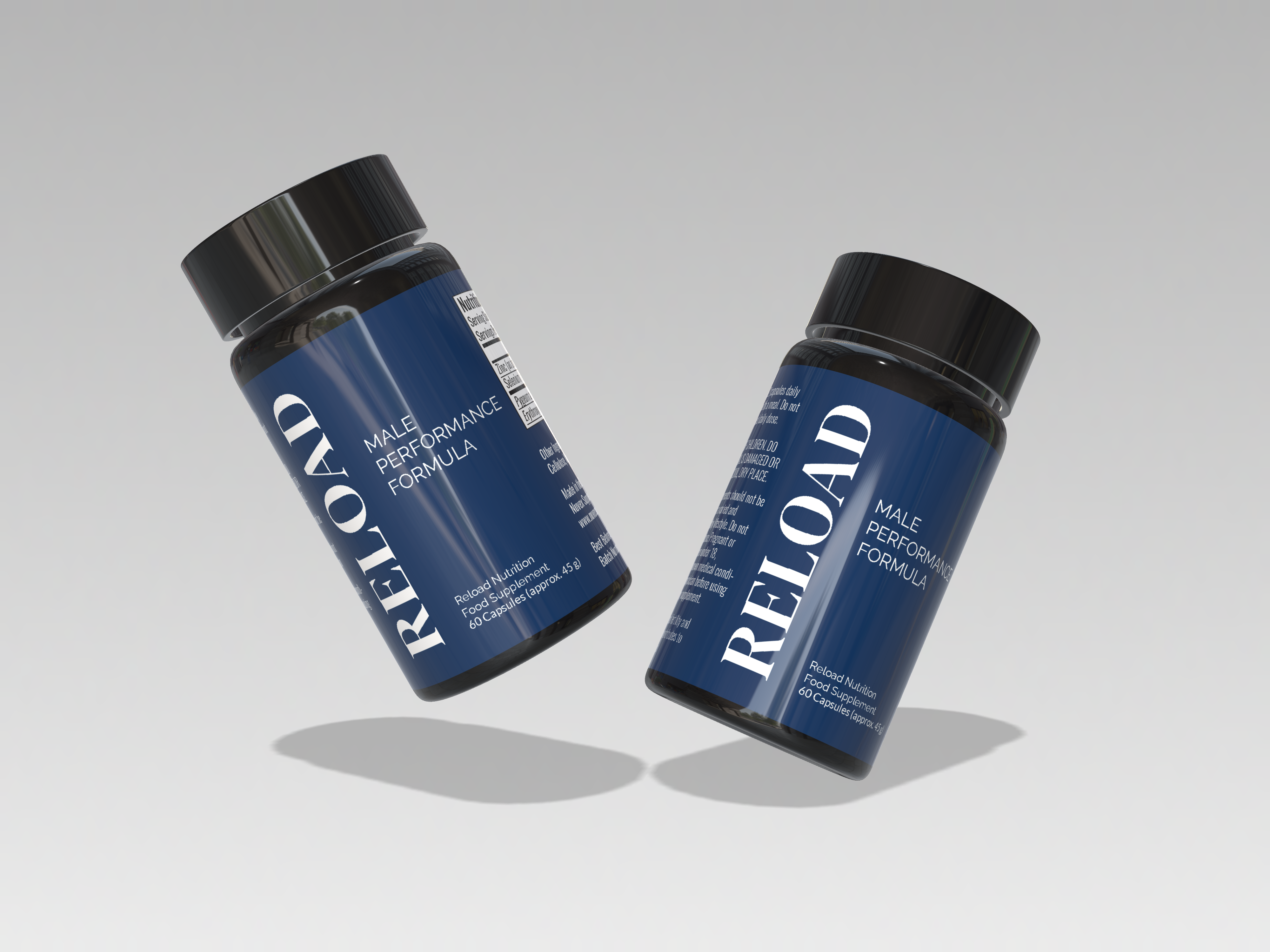
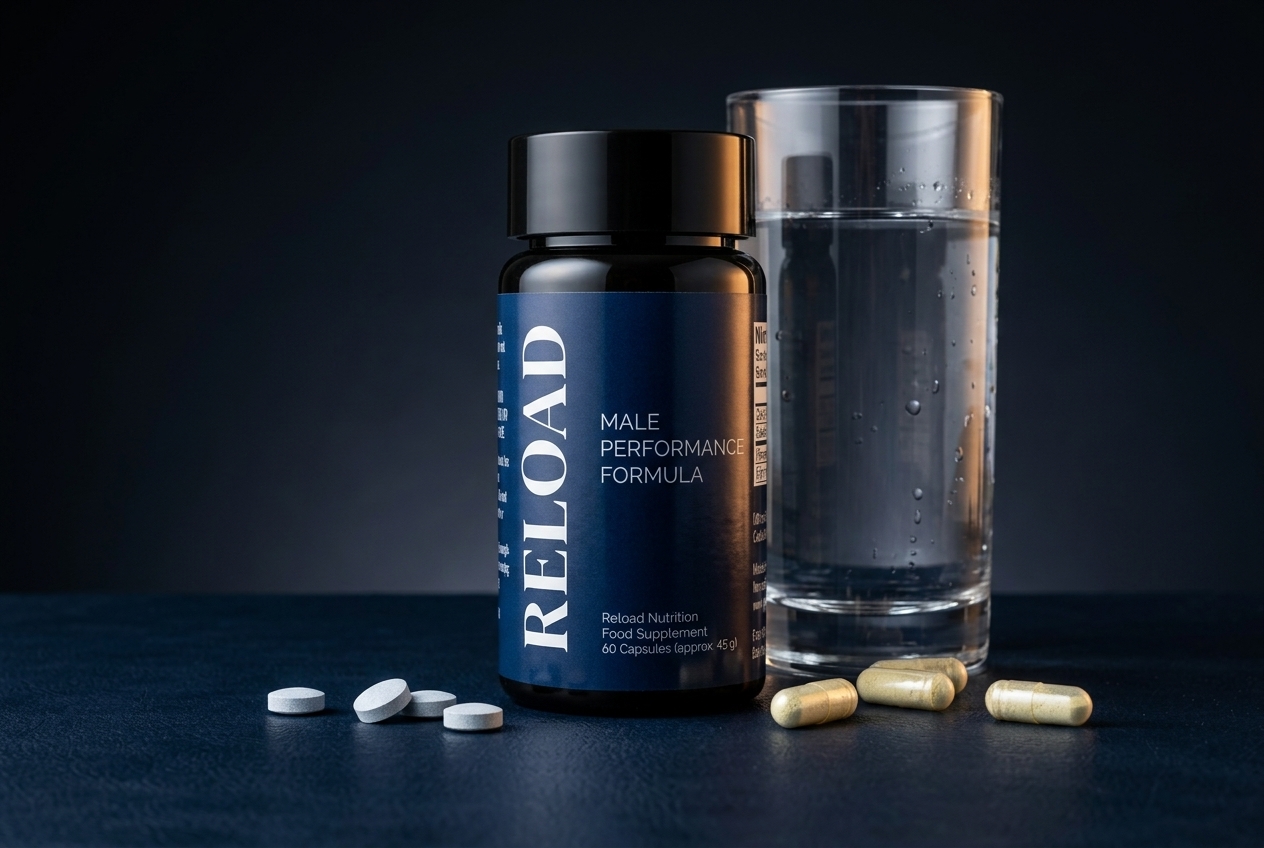
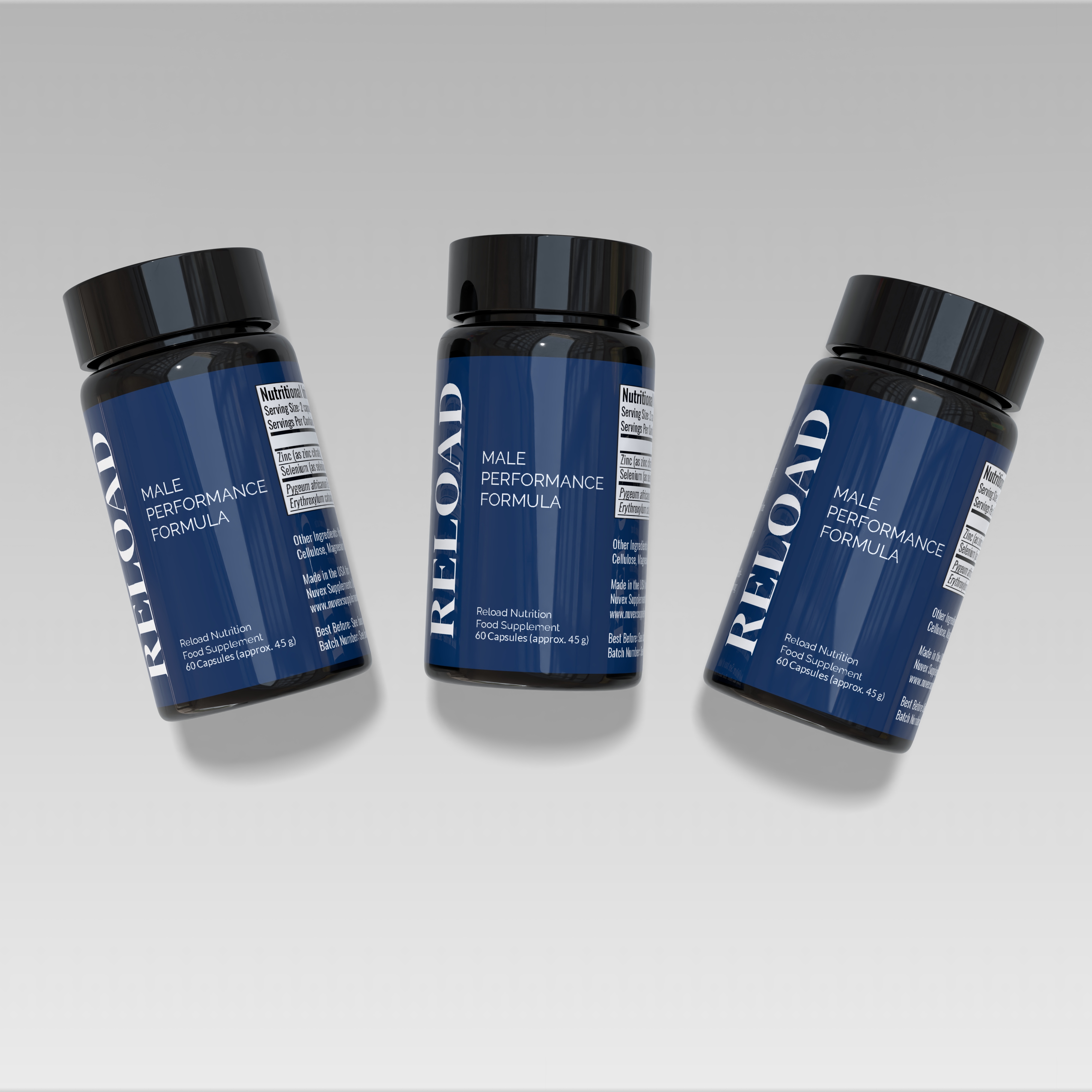
Rather than relying on zinc alone, RELOAD combines it with selenium — which contributes to normal spermatogenesis — and three traditional botanicals. Each daily serving (2 capsules) provides:
- Pygeum 500 mg
- Catuaba 465 mg
- Mucuna Pruriens 400 mg
- Zinc 10 mg
- Selenium 55 µg
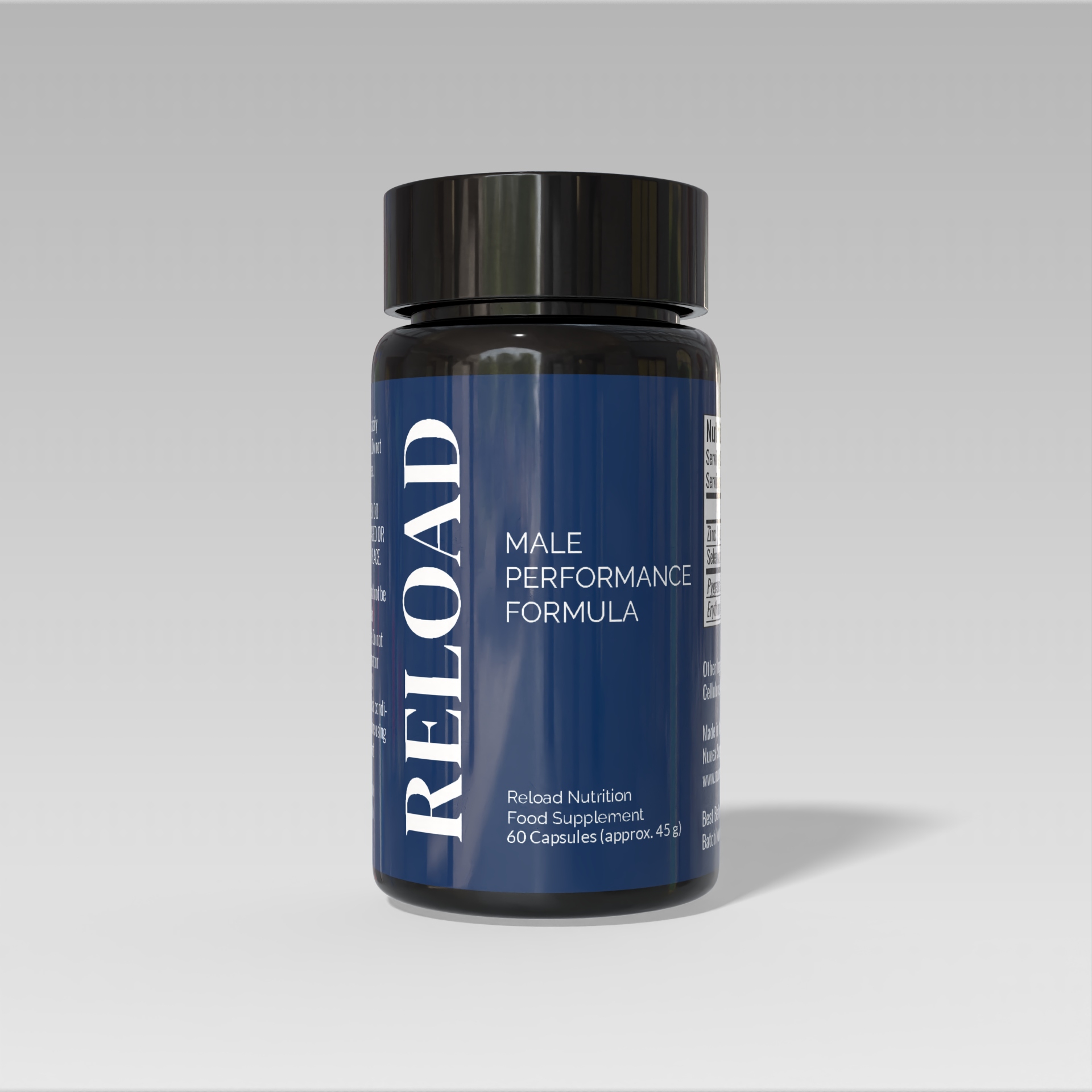
RELOAD is a daily men’s nutritional supplement to support reproductive wellness as part of a balanced diet — not a pharmaceutical treatment. You can explore the full formula below.
Frequently Asked Questions
Does zinc increase sperm count?
Zinc contributes to normal fertility and reproduction. Correcting a genuine zinc deficiency may support reproductive health, but taking extra zinc beyond your needs has not been shown to push sperm count higher, and high intakes can be harmful.
How much zinc should a man take per day?
The UK reference intake for men is around 9.5 mg a day. Many men’s supplements provide 10–15 mg; RELOAD provides 10 mg per 2-capsule serving. The NHS advises not taking more than 25 mg a day from supplements unless a doctor recommends it.
Does zinc raise testosterone?
Zinc contributes to the maintenance of normal blood testosterone levels. That supports normal function in men with adequate zinc — it is not evidence that taking extra zinc raises testosterone above normal.
Can I get enough zinc from food?
Often, yes. Oysters, red meat, poultry, beans, nuts and seeds are all good sources. A supplement can help top up intake if your diet is low in zinc.
Is zinc one of the best supplements for semen volume?
Zinc is among the most evidence-backed nutrients for normal male reproductive function. For how it compares with selenium, Mucuna Pruriens, Pygeum and Catuaba, see our guide to the best supplements for semen volume linked in this article.
References
Medical disclaimer: This article is for general information only and is not medical advice. Food supplements are not a substitute for a varied, balanced diet and a healthy lifestyle, and should not be used to treat or diagnose any condition. If you have concerns about your fertility or reproductive health, speak to a qualified healthcare professional.
RELOAD Nutrition
The all-in-one formula for semen volume, libido & male vitality
Pygeum Africanum, Catuaba Bark, Mucuna Pruriens, Zinc & Selenium — in one premium daily capsule.